

Online casinos have evolved far beyond simple gameplay platforms, introducing structured reward systems that shape how players engage, spend, and return. Among the most influential of these systems are VIP and loyalty programs, which are designed to reward continued participation while subtly encouraging long-term engagement. These programs are no longer just bonus add-ons, they are central to how modern platforms retain users and structure player experiences.
As digital environments become more competitive, reward systems have become more sophisticated, combining personalization, tier progression, and real-time tracking. Understanding how these programs work is essential for recognizing how they influence both the rewards players receive and the decisions they make over time.
The Structure Behind VIP and Loyalty Programs
VIP and loyalty programs are built around the idea of rewarding consistent activity. Players earn points or status levels based on how often they play, how much they wager, or how long they remain active on a platform. These systems typically follow a tier-based structure, where progression unlocks increasingly valuable benefits.
Most platforms use automated tracking systems that monitor gameplay and convert activity into rewards. As players move through levels such as Bronze, Silver, or Gold, they gain access to enhanced perks, including bonuses, cashback, and exclusive features.
How Rewards Are Distributed and Increased
The more a player engages with a platform, the more rewards they accumulate. Loyalty points can often be exchanged for bonuses, free spins, or even real cash, while higher VIP tiers unlock additional privileges. These may include faster withdrawals, higher betting limits, or access to exclusive promotions.
VIP programs, in particular, are designed for highly active players and offer more personalized benefits. These can include dedicated account managers, tailored bonuses, and invitations to special events, all of which enhance the perceived value of continued play.
Personalization and Player Retention
One of the defining features of modern VIP systems is personalization. Platforms analyze player behavior to deliver rewards that align with individual preferences, creating a more engaging and relevant experience. This can include customized bonuses, game recommendations, or targeted promotions based on past activity.
Within systems like vip use168, this personalization reflects a broader industry trend where rewards are not just given, but strategically tailored to reinforce specific behaviors. This approach strengthens retention by making the experience feel more individualized and responsive to player habits.
The Psychological Impact of Tier Progression
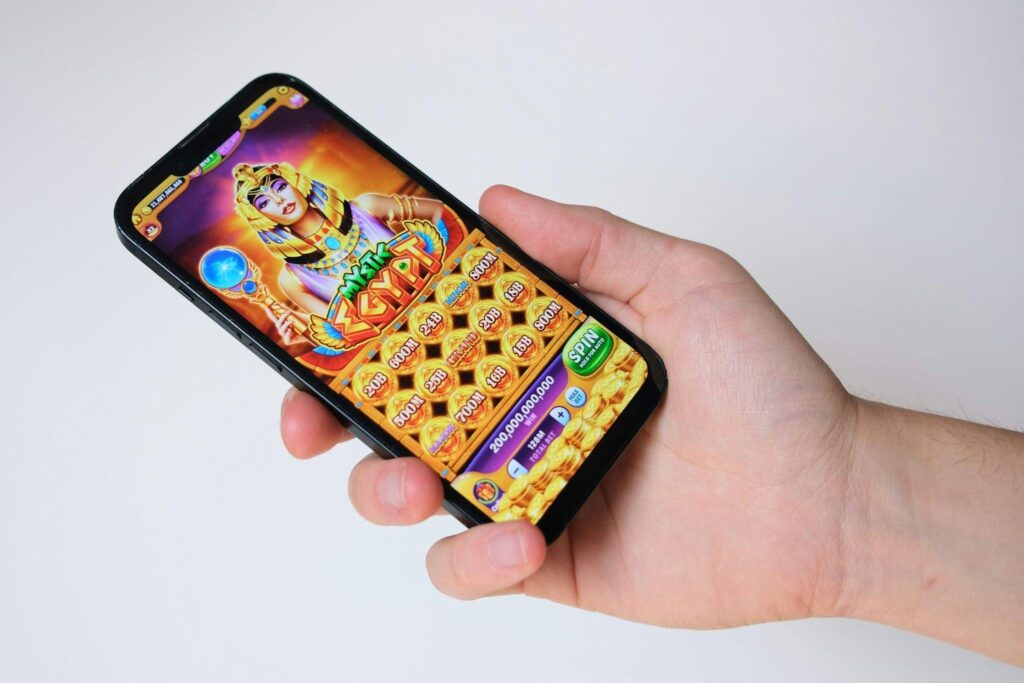
Tier-based systems introduce a sense of progression that can significantly influence player behavior. Moving up levels creates a feeling of achievement, encouraging users to continue playing in order to unlock the next set of rewards. This structure mirrors gamification strategies used in other digital platforms, where progress becomes a motivator in itself.
As players approach higher tiers, the perceived value of rewards increases, making continued engagement feel more worthwhile. This can lead to longer sessions and more frequent interaction, as users aim to maintain or improve their status within the system.
The Balance Between Rewards and Risk
While VIP and loyalty programs offer tangible benefits, they also introduce potential risks. The structure of these systems is designed to encourage ongoing participation, which can lead some users to increase their activity beyond their initial intentions. The promise of rewards can sometimes overshadow the financial cost of continued play.
Industry analysis shows that loyalty programs are specifically designed to increase engagement and retention by incentivizing repeated activity, which can amplify both rewards and risks depending on user behavior.
The Role of Transparency and Player Awareness
Understanding how VIP and loyalty programs function is essential for making informed decisions. Players who recognize how points are earned, how rewards are structured, and what conditions apply are better equipped to evaluate the true value of these systems.
According to the World Health Organization, gambling-related systems that increase accessibility and continuous engagement can contribute to higher risks if not approached with awareness, highlighting the importance of understanding how reward structures influence behavior over time.