Traditional slot sessions and crash-style casino games may sit under the same broad entertainment category, but they do not feel the same once play actually begins. One is built around repetition, familiar pacing, and a more passive relationship with the outcome. The other is built around timing, visible tension, and a stronger sense of immediate involvement. That is why terms like crash duel x casino tend to attract a different kind of curiosity from players who want faster decisions and more active control inside each round.
The Core Difference Starts With the Loop
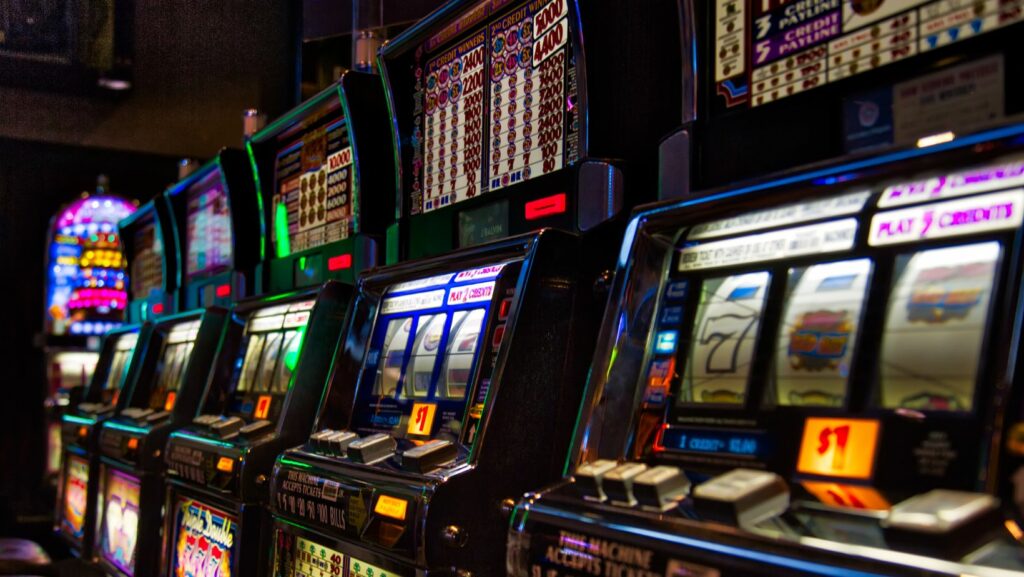
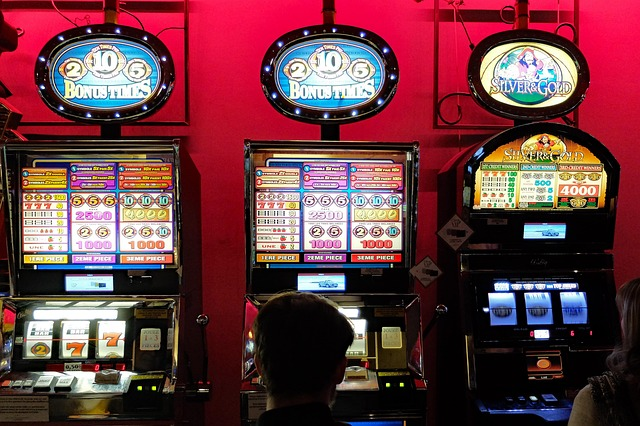
A traditional slot session usually follows a familiar structure. Spin. Wait. Watch. Result. The player just decides, but the game itself does most of the moving. It can be quite comfortable to fit into that tempo since it requires fewer split-second decisions.
Crash-style formats work differently. They create a growing line, a visible multiplier, and a narrowing window where timing matters. That shifts the emotional center of the session. Instead of waiting for the result alone, the player watches pressure build in real time. The outcome is not only what happens. It is also when the choice gets made.
That difference changes the atmosphere immediately. Traditional slots often feel steady, even when the result itself is volatile. Crash-style games feel more active because the player stays closer to the tension throughout the round.
Speed Changes the Mental Tone of the Session
Pace is one of the biggest reasons these formats feel different. Faster rounds leave less space between result and next action. That can make the session feel exciting, but it also means decisions happen with less cooling-off time.
In slower formats, the gap between one spin and the next can help the brain treat each action as separate. In fast formats, rounds can blend together emotionally. A strong result may create momentum. A frustrating one may create urgency. Either way, speed increases the chance that the next decision reflects the previous feeling more than the original plan.
This is why crash-style sessions often feel more intense even before the stakes become important. The player is not only watching outcomes. The player is responding to rhythm. That rhythm can make time pass faster and make small choices feel lighter than they really are.
How Session Pace Shapes Control, Tension, and Player Focus
One of the clearest differences between these formats is the role of reaction. Traditional slot play tends to create routine. The appeal often comes from theme, familiar flow, and the simple action of staying with the game over time.
Crash-style sessions lean more heavily on reaction. Timing matters. Perception matters. Emotion matters more in the immediate moment. Some players enjoy that because it feels more interactive. Others prefer the lower-pressure repetition of traditional slots because it feels easier to manage.
This is not about one format being automatically better. It is about matching the player’s temperament to the experience. A person who prefers structure and slower pacing may find crash formats more mentally demanding. A person who likes tension and quick judgment may find traditional slots less engaging after a while.
A few practical contrasts help explain the difference:
- Traditional slots usually feel more routine-based and easier to settle into for longer sessions.
- Crash-style games tend to feel more immediate because timing becomes part of the result.
- Slower formats often create emotional distance between rounds. Faster formats reduce that distance.
- Passive play encourages rhythm. Active timing encourages reaction.
- Session control can feel clearer in slower formats, while fast formats can make momentum feel stronger.
These differences may seem subtle at first, but they shape the entire session once play begins.

Budget Feel Changes With Game Format Too
Players often talk about budget only in terms of numbers, but format influences budget feel as much as stake size does. A slower session can make cost more visible because each step is separated. A faster session can make the same general level of spending feel lighter simply because the pace is carrying attention forward.
That does not mean crash-style formats always create worse money habits. It means they create different conditions around decision-making. Repetition happens faster. Emotional carryover happens faster. The thought “just one more round” arrives faster too.
That is why session structure matters more in this kind of environment. Limits set before play are usually more useful than limits invented mid-session. The faster the product, the more valuable it becomes to create pauses that the interface itself is not designed to provide. Without them, momentum can start making decisions that should belong to the player.
Different Format, Different Mindset
Crash-style games feel different from traditional slots because they ask for a different mindset. They are not built around the same pace, the same emotional distance, or the same relationship between action and outcome. Traditional slot sessions often suit players who prefer familiarity, steady rhythm, and a more passive format. Crash-style sessions suit players who are drawn to visible tension and more active timing choices.
That is why comparing them only by theme or payout style misses the real difference. The format itself changes how the session feels. It changes how focus behaves, how risk is noticed, and how quickly one round turns into many. Players who understand that contrast are in a better position to choose the kind of session that fits not just their interest, but also their habits.