

Imagine being in a situation where traditional treatments just aren’t enough. Picture the anxiety of knowing your only hope may lie in a complex machine. Welcome to ECMO. Short for Extracorporeal Membrane Oxygenation, this technology is here to give the underdogs of our healthcare system a fighting chance. In this text, we’re diving deep into what ECMO is all about, so grab your scrubs and let’s get started.
Ecmoinstans
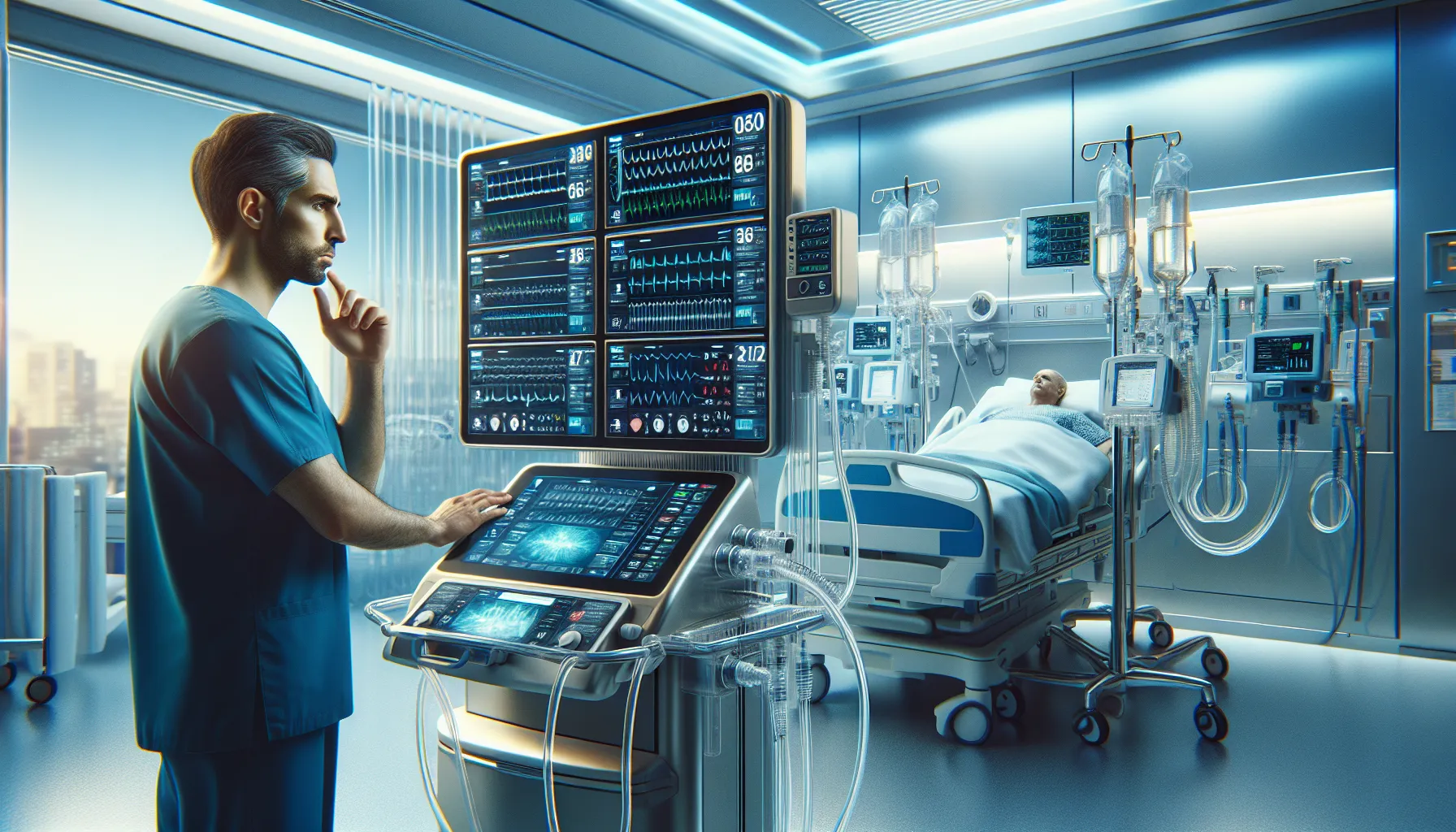
ECMO stands for Extracorporeal Membrane Oxygenation. This intricate system works by temporarily taking over the job of the heart and lungs, providing oxygen to the blood while removing carbon dioxide. We can think of ECMO as a bridge to recovery for patients in severe respiratory or cardiac failure. But what does that really mean?
When patients can’t breathe adequately or their hearts aren’t pumping effectively, ECMO steps in like a superhero in an intensive care setting. The device pumps blood out of the body, allows a machine to oxygenate it, and then returns it to the patient, all while the doctor juggles various life-saving decisions.
In those crucial moments, ECMO serves as a lifeline, making it paramount in critical care units around the globe.
Types of ECMO
There are two primary types of ECMO that we should familiarize ourselves with: veno-venous (VV) ECMO and veno-arterial (VA) ECMO.
Veno-Venous (VV) ECMO
VV ECMO is typically used for patients with severe respiratory issues. This setup allows us to pump blood from a vein, oxygenate it, and return it to the same vein. Think of it as a breathing machine on steroids. It’s particularly useful for conditions like ARDS (Acute Respiratory Distress Syndrome).
Veno-Arterial (VA) ECMO
Now, VA ECMO is our go-to for cardiac problems. It pumps blood from a vein, oxygenates it, and then returns it to an artery. This means it is actively supporting both the heart and lungs. We tend to use VA ECMO in scenarios where the heart isn’t circulating blood effectively, such as in shock or after cardiac surgery.
Both types have their roles, and understanding the difference is vital for medical professionals and curious readers alike.
Who Needs ECMO?
So who exactly is a candidate for this life-saving technology? In essence, we look at patients who are critically ill, particularly those suffering from severe lung or heart conditions. This includes:
- Patients with ARDS
- Those with cardiogenic shock
- Individuals recovering from heart surgeries
- Patients undergoing severe pneumonia
In a nutshell, ECMO is often reserved for cases where conventional therapies fail to help or are ineffective. The ultimate goal? To give these patients another shot at life.
But selection is critical. We, as healthcare providers, must weigh the potential benefits against the risks, ensuring this high-tech option is truly the best route.
Benefits and Risks of ECMO
Every medical intervention comes with its pros and cons. Let’s break down what we love about ECMO and what keeps us on our toes.
Benefits
- Temporary Lifesaving Support: ECMO provides essential oxygenation and circulation, allowing time for the underlying problem to improve.
- Improved Survival Rates: For many critically ill patients, ECMO can significantly raise their chances of survival.
- Bridge to Recovery: It keeps patients stable enough for additional treatments or heart/lung transplants.
Risks
- Bleeding: The anticoagulation medications needed to prevent blood clots can increase the risk of bleeding.
- Infection: Invasive cannulation can introduce infections, making monitoring crucial.
- Longer Recovery: Patients may require extended ICU stays, which can be mentally and physically taxing.
We balance these risks versus benefits carefully, always mindful of our patients’ paths to recovery.
The ECMO Procedure: What to Expect
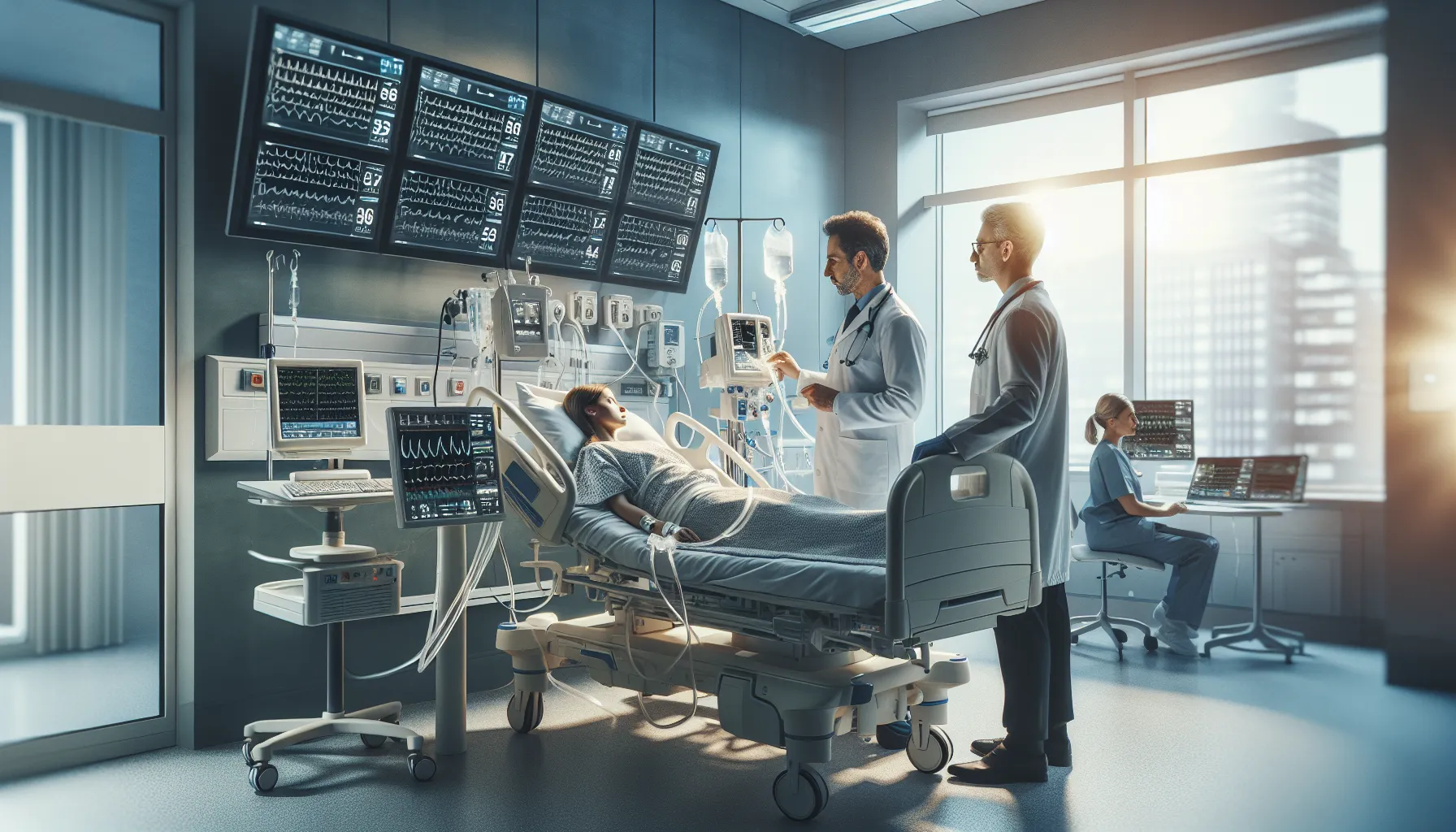
Getting ECMO is not as simple as flipping a switch: there’s a procedure involved. Here’s what we can generally expect:
- Assessment: The medical team evaluates the patient’s condition to determine ECMO’s appropriateness.
- Insertion: Cannulas are placed in the patient’s veins (for VV ECMO) or a vein and artery (for VA ECMO). Don’t worry: sedation is used.
- Connection: The machine connects to the cannulas, and we monitor the settings to ensure optimal oxygenation.
- Monitoring: Patients remain under constant surveillance in the ICU, and adjustments are made based on blood flow and oxygen levels.
Understanding this procedure helps demystify an intimidating process and prepares families for what lies ahead.
Current Trends in ECMO Technology
Just like any tech, ECMO is evolving. We’re witnessing some fascinating advancements:
- Miniaturization: New developments focus on making ECMO machines smaller and more portable, which could enhance patient mobility.
- Automation: Improved software is automating monitoring processes, letting staff concentrate on critical decision-making.
- Enhanced Biocompatibility: Recent innovations aim to reduce complications by designing materials in the machines that minimize reactions within the patient’s body.
As we stay tuned to these trends, it’s exciting to envision how they will improve outcomes and streamline the ECMO process.

