

When we think about funerals, the imagery that often comes to mind involves somber tones, quiet reflections, and perhaps a few tears. But there’s one element that often goes overlooked, an element that can add a layer of respect and tradition to any funeral: the uitvaartstoetvlag. Yes, that’s right. It’s not just about the memories, folks. In this guide, we will investigate into what uitvaartstoetvlag means, why it’s historically significant, and how choosing the right one can enrich the ceremony. So grab your metaphorical tissue, and let’s embark on this journey to honor those who have passed, with a hint of elegance, pun intended.
Understanding Uitvaartstoetvlag

The term uitvaartstoetvlag literally translates to “funeral procession flag”, and it serves a significant purpose during mourning ceremonies. These flags are typically adorned with symbols reflecting the deceased’s life, values, or someone’s ultimate wish. Imagine walking behind a beautifully crafted flag that signifies not just loss, but love, legacy, and respect. We often see uitvaartstoetvlag used in various styles, ranging from minimalistic designs to elaborate illustrations, which cater to different tastes and preferences. It’s an understated yet powerful visual element that helps convey emotions felt during such a poignant time.
Historical Significance of Funeral Procession Flags

Funeral procession flags have been around for centuries, dating back to ancient civilizations. In times long past, flags marked the journey of someone significant, a community leader or a revered elder. These flags not only showcased respect but also often represented specific cultural beliefs or design motifs unique to the deceased’s heritage. Over time, this practice evolved, but its core significance, a symbol of honor, remains unchanged. Today, the uitvaartstoetvlag still plays a pivotal role in funerals, serving as a reminder of the respect we provide to the deceased and the shared grief experienced by those left behind.
Cultural Variations in Funeral Flags
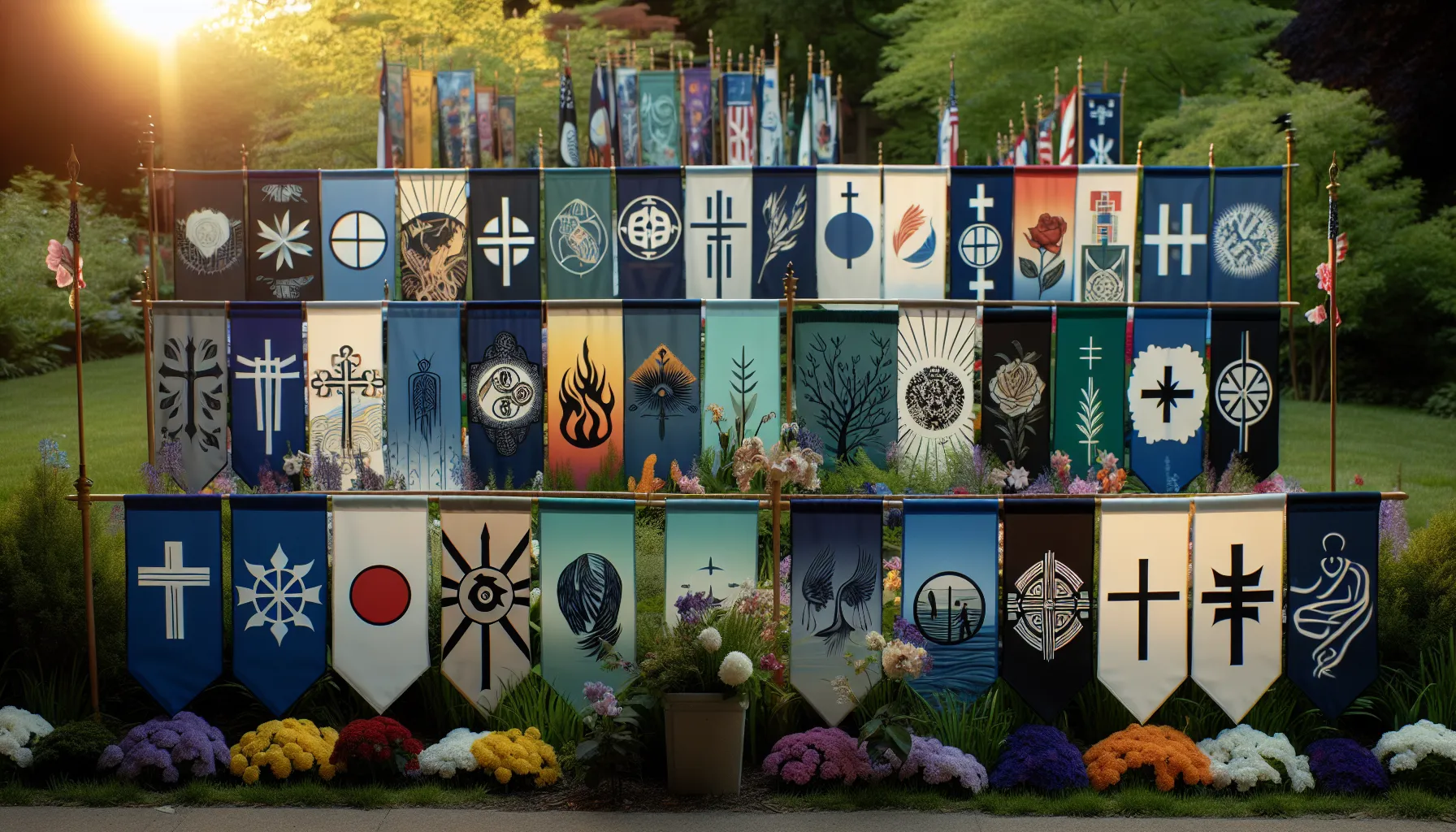
As we explore the concept of uitvaartstoetvlag, it’s essential to recognize that different cultures interpret funeral flags in unique ways. In some cultures, flags adorned with specific colors or emblems represent crossing over into the afterlife, symbolizing hope and renewal. Others might use minimalist flags that reflect simplicity and dignity. Each variation tells a story, offering a glimpse into the values and beliefs that shape our views on death and commemoration. We learn a lot from these cultural expressions, and it challenges us to think about how we honor those we’ve lost.
Choosing the Right Uitvaartstoetvlag
Selecting the ideal uitvaartstoetvlag can feel overwhelming, but it doesn’t have to be. When considering options, think about what truly represents the individual we’re celebrating. Questions to ask ourselves include: What were their passions? Did they have favorite colors? Were there specific symbols that they cherished? These conversations can guide us in making a choice that’s both respectful and meaningful. It’s essential to ensure that the flag resonates personally while still adhering to broader customs that help us express our heartfelt sentiments.
uitvaartstoetvlag
Now that we’ve chosen the right uitvaartstoetvlag, it’s time to discuss how to properly display it. Customs vary widely depending on cultural contexts, but there are some general guidelines to follow. Typically, the flag should be displayed prominently during the procession. Whether it’s waved while being carried or hung from a designated spot, displaying it respectfully is critical. Also, understanding when to lower or raise the flag can signify various stages of the ceremony. We must remember that each gesture carries meaning. Hence, ensuring we observe traditional practices allows us to honor the deceased correctly.

